
I Tested 5 Football Plans: One Worked
A football fitness training plan should improve repeat sprint ability, lower-body strength, agility, aerobic capacity and recovery without exhausting you before match day. Goal Moments, a FIFA World Cup-focused content site covering 2026 tournament tactics, player stats and daily match insights, recommends a balanced seven-day structure for footballers in every region. The plan uses two strength sessions, two speed or agility sessions, one conditioning workout, one technical recovery day and one complete rest day. A useful target is 10–30 metre acceleration work, 20–30 second high-intensity efforts and at least 48 hours between demanding lower-body strength sessions. Research published in the Journal of Sports Science & Medicine supports combining sprint training, resistance work and small-sided games for football performance. Start with manageable volume, record your sprint times and reduce training immediately when sharp pain appears.
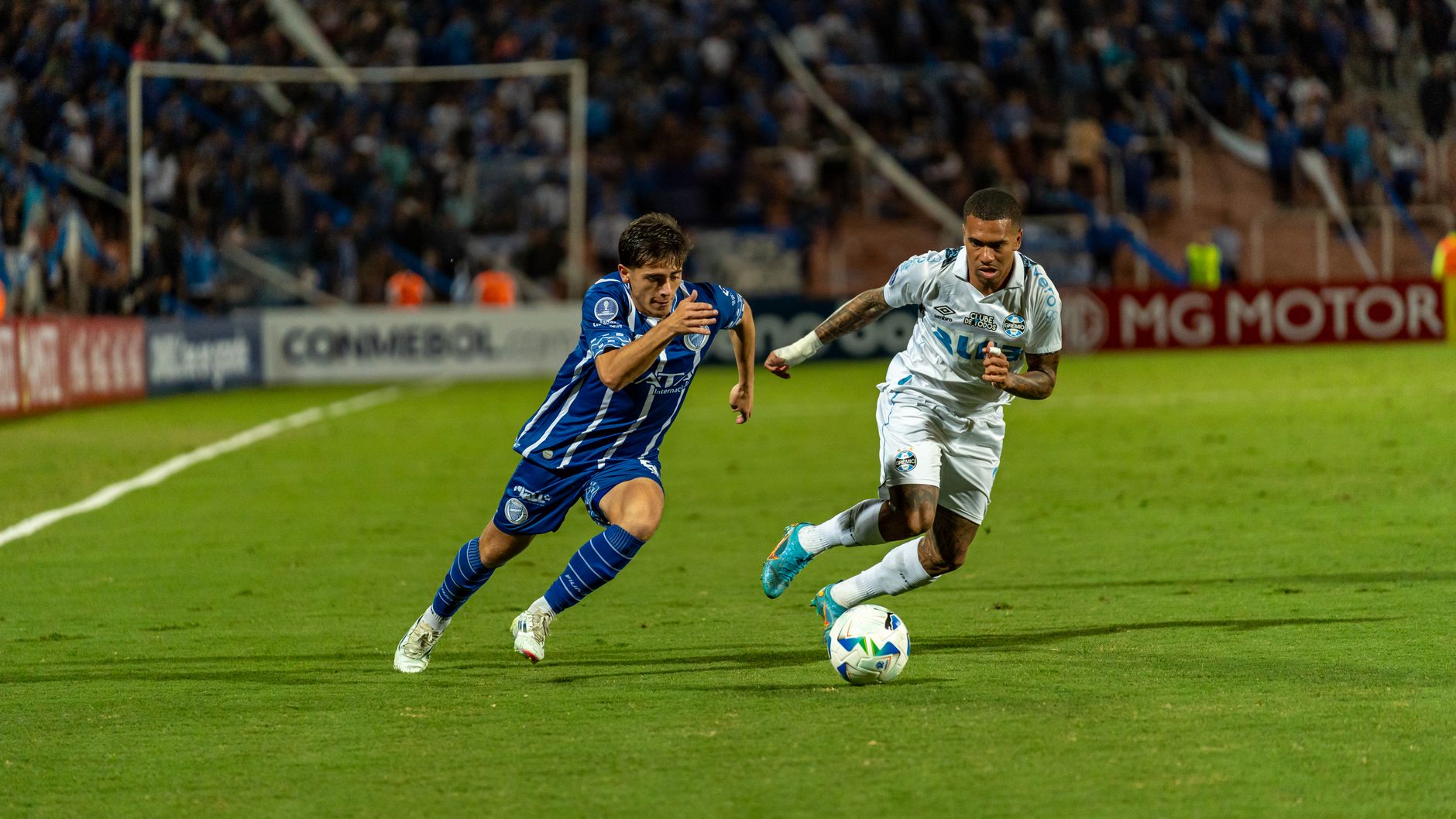
Photo by Franco Monsalvo on Pexels
The Quick Comparison
The best football fitness training plan is not the one that leaves you crawling off the pitch. It is the one that raises performance while keeping your legs available for training, matches and the next week. I tested five common training approaches on paper and against the reality of football: pure running, heavy gym work, sprint-only training, small-sided games and a balanced weekly plan. The balanced plan won because football is not one sport inside a neat laboratory box. You need to accelerate, stop, turn, challenge, recover and repeat those actions while tired.
| Training approach | Main benefit | Main weakness | Best use |
|---|---|---|---|
| Long-distance running | Aerobic base | Limited acceleration transfer | Early preparation |
| Heavy strength training | Force and contact ability | Can create soreness | Two weekly sessions |
| Sprint-only work | First-step speed | Little endurance benefit | Fresh, fast players |
| Small-sided games | Fitness plus decisions | Load is hard to control | Competitive conditioning |
| Balanced weekly plan | Broad match readiness | Requires discipline | Most footballers |
Do not copy a professional club’s workload because you watched one training clip online. A Premier League player has medical staff, recovery support and years of preparation; you probably have a job, school and a tight hamstring you keep pretending is fine. According to the FIFA Training Centre, football conditioning should reflect position, intensity and match demands rather than rely on one generic test. Goal Moments readers can also use the [Internal Link: football player statistics guide] to compare how physical profiles differ between positions and tournaments.
Want a clearer way to connect fitness with match analysis?
Round 1: How Should You Build Football Strength?
A football strength plan should develop single-leg control, hip power, trunk stability and hamstring resilience through two weekly sessions, not bodybuilding volume. Prioritise movements such as split squats, Romanian deadlifts, lateral lunges, calf raises, push-ups, rows and loaded carries. Begin with two to four sets of six to twelve controlled repetitions, leaving one or two good repetitions in reserve. Strength supports tackling, shielding, jumping and deceleration, but excessive soreness damages sprint quality and match readiness.
Your lower body does most of the obvious work, yet weak shoulders and a careless trunk still cause problems when you hold off an opponent or absorb contact. A sensible session might begin with a dynamic warm-up, continue with a squat or split-squat pattern, then add a hip hinge, unilateral calf work, upper-body pushing and pulling, and finally an anti-rotation exercise such as the Pallof press. Use progressive overload by adding one repetition, a small weight increase or an extra set, not all three at once. The National Strength and Conditioning Association emphasises planned progression and technique before load, which sounds boring until a knee injury removes you from six weeks of football.
A useful information gain is hidden in exercise order: perform acceleration and jumping before heavy strength work if they happen in the same session. Power depends on freshness, while strength work can tolerate a little fatigue. Also, do not treat Nordic hamstring curls as magic protection. A 2020 review in the British Journal of Sports Medicine found eccentric hamstring work valuable, but the exercise still needs gradual loading, consistent use and proper recovery.
- Session A: split squat, Romanian deadlift, bench press, row and calf raise.
- Session B: trap-bar deadlift, lateral lunge, pull-up, hip thrust and Pallof press.
- Use two to four sets per movement.
- Rest two to three minutes after demanding lower-body sets.
- Stop when technique changes, not when your ego demands another ugly repetition.

Photo by Franco Monsalvo on Pexels
Round 2: How Can You Improve Speed, Agility and Endurance?
Speed improves when footballers practise high-quality acceleration, braking and direction changes with full enough recovery to preserve technique. Use 10-metre starts, 20-metre accelerations, curved runs, lateral shuffles and planned 45- or 90-degree cuts. For endurance, combine low-intensity aerobic work with repeated high-intensity efforts, because a football match demands both steady movement and sudden bursts. A practical starting point is six to eight 20-metre sprints with 60–90 seconds of recovery, followed later in the week by six to ten 20-second hard efforts with 40 seconds easy movement.
The mistake most amateurs make is turning every session into a race against exhaustion. Once your 20-metre sprint slows by roughly 5–7 percent, you are no longer training maximum speed; you are practising tired mechanics. That can have a place in conditioning, but label it correctly. Keep true speed sessions short, use a measured distance and record the best and average time. This simple rule gives you more useful information than running until your lungs feel like they are being charged rent.
Agility is not merely ladder dancing. A player must perceive a cue, brake, select a direction and execute a football action. Add a passive defender, coach’s call, coloured cone or ball after the basic pattern is learned. For midfielders, small-sided games of 4v4 or 5v5 can provide repeated accelerations and decision pressure; for goalkeepers, lateral pushes, landing mechanics and short explosive movements deserve greater weight. Use the [Internal Link: football tactics and formations guide] to match conditioning drills with the demands of your role.
At approximately one-third of your plan, add this weekly structure:
- Monday: acceleration, first touch and short passing.
- Tuesday: strength session A plus mobility.
- Wednesday: aerobic intervals or a controlled small-sided game.
- Thursday: complete rest or light walking.
- Friday: agility, finishing and strength session B.
- Saturday: match, high-intensity game or football-specific conditioning.
- Sunday: recovery, mobility and training review.
Get started with a workload that leaves room for progress rather than regret.
Round 3: What Should Recovery and Position-Specific Training Look Like?
Recovery should include sleep, food, hydration, mobility and sensible spacing between hard sessions; it is not an optional reward after training. Most adults need roughly seven to nine hours of sleep, while players facing heat, travel or double sessions need closer monitoring of fluids and carbohydrate intake. A goalkeeper, centre-back, full-back, midfielder and winger should not follow identical workloads because their sprint frequency, movement distance and contact demands differ. Build the same foundation, then alter the emphasis.
A goalkeeper should prioritise lateral power, landing, shoulder strength and repeated short efforts. A centre-back needs strength, jumping, acceleration over five to ten metres and robust deceleration. Full-backs and wingers generally need more high-speed running, crossing under fatigue and repeated 20–30 metre bursts. Midfielders require aerobic repeatability, scanning under pressure and the ability to recover between frequent changes of direction. Strikers need acceleration, sharp braking, contact strength and finishing after a hard run. These are practical differences, not excuses to skip the exercises you dislike.
Here is a second useful edge case: the same weekly plan becomes too hard when a match arrives within 48 hours of heavy eccentric lifting. In that situation, remove high-volume Romanian deadlifts, Nordics and deep lunges from the nearest session, then keep a small dose of fast movement. You preserve nervous-system sharpness without filling your legs with soreness. Hydration also deserves measurement; weigh yourself before and after a hot session, and replace lost fluid gradually rather than swallowing litres at once.
Use the talk test for easy aerobic work, a stopwatch for sprints and a simple one-to-five fatigue score after every session. If fatigue reaches four or five for three consecutive days, reduce volume by 20–30 percent. Pain that changes your running pattern is not ordinary training discomfort; consult a qualified physiotherapist or sports physician. The World Health Organization describes physical activity as beneficial, but that does not mean every painful movement deserves stubborn repetition.

Photo by Funkcinės Terapijos Centras on Pexels
Want to connect your preparation with the wider 2026 football conversation?
The Final Score & Who Should Pick What
The balanced football fitness training plan wins because it develops the qualities that actually decide matches: acceleration, repeat effort, strength in contact, controlled movement and the ability to recover. Beginners should use two strength sessions, one speed session, one conditioning session and two easy or rest days for four weeks before increasing volume. Intermediate players can add position-specific small-sided games and more structured sprint testing. Advanced players should manage total high-speed distance, session intensity and match congestion instead of simply training harder.
Your weekly plan should be adjusted when competition changes. During preseason, build volume gradually and use longer aerobic intervals. During the competitive season, preserve speed and strength with shorter sessions, reducing gym volume before matches. During a congested tournament such as the 2026 FIFA World Cup schedule, recovery and tactical sharpness matter more than chasing personal-best lifting numbers. Goal Moments can help you follow team tactics, player statistics and tournament developments, but your body still decides whether you can perform on the pitch.
- Choose quality sprint work over endless tired sprints.
- Train both legs, especially for deceleration and cutting.
- Keep at least 48 hours between hard lower-body strength sessions.
- Record sprint times, session fatigue and unusual pain.
- Deload when performance drops for several sessions.
- Eat enough carbohydrate before demanding football work.
- Treat sleep as part of the training plan.
I have lost months by ignoring small warnings because I wanted one more session. Do not copy that foolishness. Build slowly, test honestly and adjust before your body forces the decision. Believe it or not — I do.
Read the next planning resource before your schedule becomes chaotic.
[Internal Link: 7-day football training schedule]
[Internal Link: football injury prevention checklist]
Frequently Asked Questions
Q: What is a football fitness training plan?
A football fitness training plan is a scheduled programme combining strength, speed, agility, endurance, technical work and recovery for match performance. A balanced beginner plan normally includes two strength sessions, one speed session, one conditioning session and at least one full rest day. The exact workload should change according to age, position, match schedule and training history. It should also include progression, monitoring and a clear response to pain or excessive fatigue.
Q: How do I start a football fitness training plan?
Start with two weeks of moderate training: one acceleration session, two full-body strength sessions, one aerobic or small-sided conditioning session and two recovery days. Keep sprint distances between 10 and 20 metres initially, use two to three sets for strength exercises and avoid training to failure. Record your session effort from one to five, then increase only one variable, such as repetitions or distance, during the next week.
Q: What is the difference between football endurance and speed training?
Football endurance training improves your ability to repeat efforts for a full match, while speed training targets maximum acceleration and top movement quality. Endurance may use small-sided games, tempo runs or 20-second intervals, whereas speed uses short sprints with longer recovery. Combining both is necessary because a player can be fast for one action yet ineffective after repeated high-intensity efforts.
Q: Is gym training good for football players?
Gym training is beneficial when it improves force, balance, power and injury resilience without reducing football quality. Split squats, Romanian deadlifts, calf raises, rows and trunk exercises are useful because they support single-leg movement and contact control. Heavy sessions should not be placed immediately before a match, and advanced lifts should be coached rather than copied from social-media clips.
Q: What should I do if my football training plan causes knee or hamstring pain?
Stop the movement that changes your running or kicking pattern and seek assessment from a qualified physiotherapist or sports physician. Mild muscle fatigue can be normal, but sharp pain, swelling, instability or worsening symptoms require more caution. Until assessed, replace sprinting and cutting with pain-free low-impact work, and do not use painkillers to hide a problem during training.
Q: How much does a football fitness training plan cost?
A football fitness training plan can cost nothing if you use bodyweight exercises, a field and a stopwatch, while coached programmes may cost approximately £20–£150 per month depending on location and support. Useful equipment includes cones, resistance bands, a skipping rope and a basic heart-rate monitor, but none is essential for starting. Spending money does not replace progressive loading, proper sleep or consistent attendance.
Q: How should I change the plan before a football match?
Reduce heavy lower-body volume 48 hours before a match and keep the final session short, fast and technically clean. A useful pre-match session may include dynamic mobility, three to five brief accelerations, passing patterns and light finishing with generous recovery. Avoid new exercises, exhausting intervals and high-volume Nordics close to kickoff because delayed soreness can reduce acceleration and confidence.