
The Footballer’s Guide to Training
Train for football by combining technical repetition, match-speed movement, strength, aerobic fitness, and recovery across a controlled weekly plan. A youth player, amateur, or semi-professional footballer can improve without copying Lionel Messi’s reported five-hour daily routine or training twice every day. Most players need two to four football-specific sessions, one or two strength sessions, and at least one complete recovery day each week. A useful session includes a 10-minute warm-up, 20–30 minutes of ball work, 15–25 minutes of speed or conditioning, and a cool-down. Training should reflect your position, age, match schedule, injury history, and available space. FIFA Training Centre resources and the World Health Organization both support gradual, consistent physical development rather than reckless increases in workload. Start with three weekly sessions, record what you do, and increase volume only when your body is coping well.
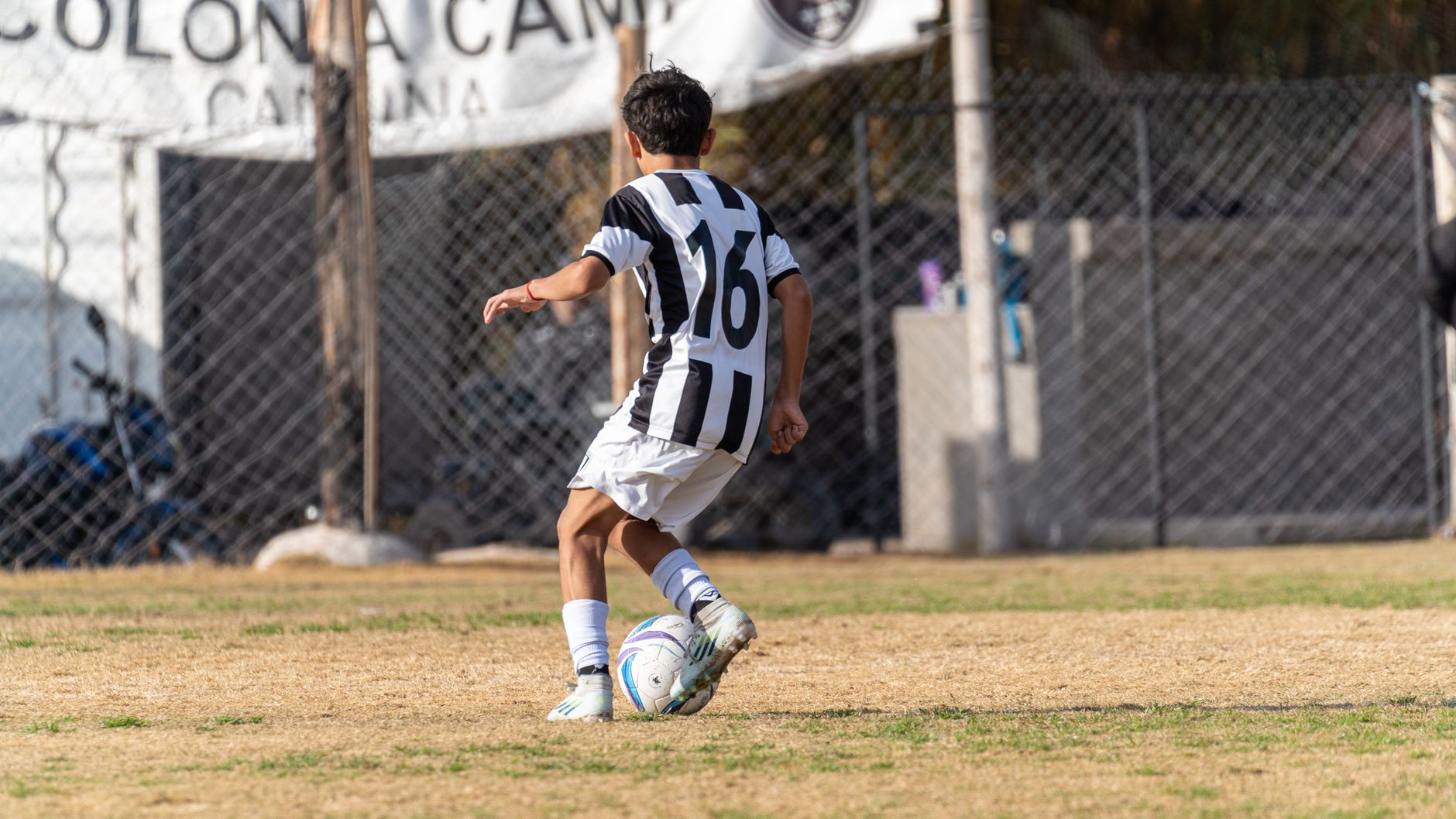
Photo by Franco Monsalvo on Pexels
Football training is not a punishment contest. I learned that after enough sore hamstrings, swollen ankles, and stupid sessions done simply because I felt guilty resting. You need a plan that improves the actions football actually demands: scanning, receiving, turning, passing, accelerating, braking, changing direction, and repeating efforts while tired. Goal Moments can help supporters follow FIFA World Cup 2026 tactics, player statistics, and team trends, but watching elite football does not replace doing the work yourself. If you want a reliable starting point, build your training around quality rather than exhaustion, then review your progress every four weeks.
Want a practical starting point for your football development?
[Internal Link: beginner football training guide]
Before 2025: How Did Football Training Work?
Before 2025, most football training still followed the same dependable pattern: technical practice, small-sided games, running, strength work, and recovery arranged around match day. Coaches commonly used 4v4 or 5v5 games to create more touches, while larger tactical exercises developed shape and decision-making. The basic principle was sound, although many amateur players still ran long distances without the ball and assumed that suffering automatically meant improvement. A modern session should instead connect fitness to football actions, because sprinting in a straight line for 30 minutes does not teach you when to sprint, stop, scan, or pass under pressure. The FIFA Training Centre provides practical material showing how technical and tactical demands can be combined.
The old approach was not useless, but it was often badly measured. A player might complete 100 passes in an unopposed drill, then lose the ball repeatedly when an opponent arrived. Another might perform heavy squats the day before a match and wonder why the legs felt wooden. The better lesson is to separate development goals: improve ball mastery when fresh, decision-making under pressure in small-sided games, and conditioning through short, football-specific intervals. In my experience, the biggest hidden mistake is allowing every session to become “hard”; two genuinely difficult sessions in four days can be useful, while five moderate sessions can quietly leave you tired and slow.
What should a traditional football session include?
A traditional football session should include a gradual warm-up, technical work, game-related movement, a clear conditioning purpose, and recovery afterward. A 75-minute session might use 10 minutes for movement preparation, 25 minutes for passing and receiving, 25 minutes for small-sided play, 10 minutes for finishing or speed, and 5 minutes for a cool-down. The order matters because tired players learn poor technique.
Use this simple structure:
- Raise body temperature with jogging, skips, mobility, and controlled changes of direction.
- Practise first touch, passing, dribbling, and receiving with both feet.
- Add pressure through gates, defenders, time limits, or small-sided games.
- Finish with the session’s main physical target, such as acceleration or repeated efforts.
- Record duration, intensity, soreness, and any pain before leaving.
A Cochrane review of exercise and football injury prevention supports the wider value of structured prevention work, particularly when warm-ups include strength, balance, and movement control. Do not treat the warm-up as decoration. Ten sensible minutes can expose a tight calf or unstable knee before that problem becomes a month away from football.
The 2026 Shift: What Has Changed in Football Training?
The 2026 shift is toward more individualised training, better workload tracking, and drills that resemble actual match decisions. GPS devices, heart-rate monitors, video analysis, and simple session-rating scales now allow teams to compare running loads, sprint exposure, and recovery across a week. You do not need a £500 tracker to benefit. A notebook showing session length, effort from 1 to 10, sleep, and soreness can reveal that your “easy” Wednesday session is never easy. FIFA World Cup 2026 teams will use sophisticated performance departments, but the underlying idea remains available to ordinary players: measure what you do, then adjust before your body forces the decision.
The important change is not technology itself. It is the move away from one identical plan for every player. A goalkeeper needs explosive lateral movement and repeated handling actions; a full-back needs high-speed running and recovery sprints; a central midfielder needs scanning, turning, and repeated support runs; a striker needs acceleration, finishing, and contact strength. Position-specific training should still share the same foundation, including single-leg strength, trunk control, mobility, and clean first touch. Goal Moments’ coverage of team tactics can help you identify these demands when watching Bayern Munich, Manchester City, Brazil, England, or France, but copy the principle rather than the professional workload.
How should you measure football training in 2026?
Measure football training with four simple indicators: session duration, perceived effort, high-speed exposure, and recovery status. Rate effort from 1 to 10 immediately after training, multiply it by minutes, and keep the result as a basic workload score; for example, 75 minutes at an effort of 7 equals 525 units. This is not a medical diagnosis, but it helps identify sudden spikes. If three hard sessions produce unusual soreness, poor sleep, or slower sprint times, reduce the next load rather than boasting about discipline.
Track these details weekly:
- Total football minutes and number of matches.
- Number of high-intensity sessions.
- Fastest sprint or best timed 10-metre acceleration.
- Sleep duration, soreness, and unusual pain.
- Successful actions in a repeatable technical test.
One useful edge case is the player who feels fine during training but deteriorates 24–36 hours later. That delayed response means the session was more demanding than it felt, especially after a long break. Reduce volume by roughly 20–30% for the next session and retain technical quality. Pain that changes your running pattern, sharp pain, swelling, or repeated pain needs assessment from a qualified clinician, not another motivational video.
Ready to compare football tactics with the physical work behind them?
What Changed for Players?
Players now need to train decisions, not merely movements. A pass completed against no defender proves limited ability; a pass selected correctly after scanning two shoulders, receiving on the back foot, and escaping pressure proves much more. Small-sided games are valuable because they create frequent involvement, but they must have a purpose. Use a narrow pitch to encourage quick combinations, a wide pitch to develop switching, a two-touch limit to sharpen speed of play, or bonus points for regaining possession within five seconds. The rules should force the behaviour you want, otherwise players simply chase the ball and call it intensity.
A second change is the recognition that strength training supports football performance rather than making players slow by default. Two weekly sessions can use split squats, Romanian deadlifts, calf raises, hamstring bridges, push-ups, rows, and anti-rotation exercises. Start with two or three sets of 6–12 controlled repetitions, leaving one or two good repetitions in reserve. Young players should be supervised and taught technique, while older players should account for work, family, previous injuries, and match congestion. American College of Sports Medicine guidance consistently places progression, technique, and individual suitability above reckless loading.
How can you build a complete football drill session?
Build a complete drill session by moving from simple control to pressured decisions, then to speed or finishing while preserving technical quality. A 90-minute session can begin with 12 minutes of mobility and ball activation, followed by 20 minutes of first-touch work, 20 minutes of passing under pressure, 25 minutes of a 4v4 game, 8 minutes of sprint mechanics, and 5 minutes of easy movement. Rest intervals should be long enough for accurate execution; if every pass becomes careless, you are training fatigue rather than football.
Try this progression:
- Ball mastery: 60-second rounds of inside-outside touches, sole rolls, V-pulls, and weak-foot passes.
- Receiving: open the body before the ball arrives and take the first touch away from pressure.
- Passing: add a passive defender, then a live defender, then a two-touch limit.
- Small-sided play: use 4v4 plus goalkeepers for repeated decisions and transitions.
- Speed: perform 6–8 accelerations over 10–20 metres with full recovery.
- Finishing: shoot after a movement, not from a stationary queue.
A contrarian lesson is that more repetitions can reduce improvement when the exercise is badly designed. After 30 minutes of rushed weak-foot passes, the player may complete many attempts but reinforce a poor body position. Stop the drill, demonstrate the correction, and restart at lower speed. Coaches dislike interruption because it breaks rhythm, but clean learning is worth more than impressive counting.
[Internal Link: football passing and first-touch drills]
What Does This Mean for Your Weekly Plan?
For most recreational footballers, a sensible weekly plan includes two technical sessions, one strength session, one speed or small-sided session, a match, and at least one complete rest day. Do not stack every difficult activity together. A high-speed session followed by a hard match the next morning is a poor bargain, particularly for players returning from injury. The plan below assumes a Saturday match and can be adjusted for school, work, travel, or team training.
| Day | Main focus | Example workload |
|---|---|---|
| Monday | Recovery and mobility | 20–30 minutes easy movement |
| Tuesday | Technical plus strength | 60–75 minutes football, 35 minutes strength |
| Wednesday | Rest or light ball work | 20–40 minutes, low effort |
| Thursday | Speed and small-sided games | 60–75 minutes, high quality |
| Friday | Pre-match activation | 30–45 minutes, low volume |
| Saturday | Match | Warm-up, game, cool-down |
| Sunday | Complete rest | Walking only if comfortable |
For a beginner, remove the Thursday speed session for the first two weeks and use only four football days including the match. For an advanced player, add a second strength session on Monday or Wednesday, but keep it moderate if Saturday performance matters. An overlooked practical detail is footwear: worn studs or unsuitable trainers can alter traction and increase slipping risk, especially on wet artificial pitches. Replace damaged footwear before blaming your knees, and check the surface before sprinting at full speed.
What are the three biggest football training mistakes?
The three biggest football training mistakes are increasing workload too quickly, ignoring recovery, and practising skills without pressure or purpose. A fourth mistake deserves equal attention: training through pain that changes movement. Progress depends on repeating quality work consistently, not surviving one heroic session and missing the next three weeks.
Avoid these common errors:
- Running long, slow distances as the only conditioning method.
- Using maximum sprints without a gradual speed build-up.
- Performing heavy leg training immediately before a match.
- Training the dominant foot while neglecting the weaker side.
- Stretching aggressively into sharp pain.
- Copying a professional’s volume without their staff, sleep, and recovery support.
- Treating soreness as proof that the session worked.
A player who trains three times weekly for twelve weeks will usually gain more than one who trains seven times in week one and stops in week three. The body adapts during recovery, not during the boast. If you regularly wake with heavy legs, lose motivation, or see your sprint and first touch deteriorate, reduce volume for 5–7 days and rebuild gradually. If symptoms persist, speak with a sports physiotherapist or doctor.
How should you recover after football training?
Recover after football training with food, fluids, sleep, light movement, and sensible spacing between hard sessions. A practical target is 7–9 hours of sleep for adults, with adolescents often needing more; the National Sleep Foundation lists age-specific ranges rather than one universal number. After demanding training, eat a meal containing carbohydrate and protein within the next few hours, drink according to thirst and sweat loss, and avoid assuming expensive supplements are necessary. Consistent meals beat a fashionable powder when the basics are missing.
Recovery should also include a short review. Write down whether the session felt easier or harder than expected, whether the weak foot improved, and whether any joint felt unstable. Cold water, massage guns, and compression clothing may make some players feel better, but they do not excuse poor sleep or excessive workload. One useful practical test is the next-day staircase: if normal stairs produce unusual pain or you cannot jog smoothly, replace the planned hard session with mobility and easy ball work. Believe it or not — I do — the boring decision often protects the season.
See how structured football insight can support smarter preparation.
Three Predictions for Next Quarter
The next quarter of football training will likely bring three practical developments: wider use of low-cost workload tracking, more position-specific drills, and stronger emphasis on injury prevention. These are not magical trends. Coaches already know that players need exposure to sprinting, decision-making, and strength, but better records may make the timing more precise. Amateur clubs will increasingly use phone video, shared spreadsheets, and simple timed tests instead of expensive laboratory equipment.
1. Training plans will become more individual
Two players in the same squad will receive different running volumes based on age, position, match minutes, and injury history. A substitute who played 12 minutes may need a different recovery plan from a midfielder who covered 11 kilometres. The numbers will not replace coaching judgment, but they can expose hidden workload problems.
2. Small-sided games will carry more tactical purpose
Coaches will use pitch size, player numbers, scoring rules, and transition limits to reproduce specific match problems. A 3v3 game can develop rapid support and defensive cover; a 7v7 game can develop wider team structure. Expect fewer drills where players stand in lines for ten minutes waiting for one touch.
3. Recovery will be treated as training
Sleep, nutrition, mobility, and return-to-play steps will receive more attention because missed matches cost players development. The best clubs will not simply demand more work; they will protect the sessions that matter most. Your own version can be modest: log sleep, take one rest day, and stop increasing volume when pain or poor movement appears.
[Internal Link: football recovery and injury-prevention techniques]
The sensible response is to prepare like a learner, not imitate a superstar. Choose one technical target, one physical target, and one recovery target for each week. Test them under pressure, record the result, and adjust every four weeks. If you can pass cleanly with both feet, accelerate safely over 10 metres, repeat efforts without losing shape, and arrive at matches recovered, you are training for football rather than merely exercising near a ball. That distinction matters, and most players learn it only after wasting a season.
Start building a safer, more informed football routine today.
Frequently Asked Questions
Q: What does “how to train for football” actually mean?
A: Training for football means developing technical skill, tactical decision-making, speed, strength, fitness, and recovery together. A complete player should practise passing, first touch, dribbling, finishing, acceleration, braking, and movement under pressure. Most recreational players can begin with three structured sessions per week plus a match. The aim is not to be exhausted after every session; the aim is to perform useful actions more accurately and repeatedly.
Q: How do you start football training as a beginner?
A: Start with three sessions per week, each lasting 45–60 minutes, and add one full rest day. Spend 10 minutes warming up, 20 minutes on ball control and passing, 10 minutes on simple changes of direction, and 5 minutes cooling down. Avoid maximum sprinting during the first two weeks. Increase either session duration or intensity, not both at once, and stop if pain changes your running pattern.
Q: What is the difference between football fitness and running fitness?
A: Football fitness combines short accelerations, decelerations, direction changes, recovery periods, and technical decisions, while running fitness usually involves steadier continuous movement. A footballer may sprint for 10–20 metres, slow down, scan, pass, and repeat after a brief pause. Small-sided games and interval runs are therefore more specific than only jogging long distances. Long easy runs can still support aerobic conditioning, but they should not be your entire plan.
Q: How often should you train for football?
A: Most amateur players should complete three to five football-related sessions weekly, depending on match frequency and recovery. Two sessions can focus on technique and small-sided games, one can develop strength or speed, and a match can provide competitive intensity. Beginners should use the lower end of that range, while experienced players may tolerate more with proper sleep and nutrition. Keep at least one complete rest day and avoid hard sessions on consecutive days when possible.
Q: Why does football training stop improving my performance?
A: Football training often stalls because the workload is repetitive, recovery is poor, or drills lack pressure and decision-making. Change one variable every two to four weeks, such as adding a defender, reducing touches, narrowing the pitch, or increasing weak-foot use. Also review sleep, soreness, and match minutes. If performance drops for several sessions or pain persists, reduce training and seek advice from a qualified sports professional rather than adding more work.
Q: How much does it cost to train for football?
A: You can begin football training for roughly the cost of a ball, suitable footwear, cones, and access to a safe playing area. A basic setup may cost about $40–$120, while club membership, coaching, gym access, GPS tracking, and physiotherapy can raise the total considerably. Expensive equipment is optional for beginners. A notebook, phone timer, five cones, and a reliable training partner are enough to measure many useful improvements.
Q: Is strength training good for football players?
A: Strength training is beneficial for football players when exercises are technically sound, progressively loaded, and placed sensibly around matches. Useful movements include split squats, hip hinges, calf raises, hamstring bridges, rows, push-ups, and trunk-control exercises. Two sessions of 30–45 minutes weekly can support acceleration, balance, and resilience. Avoid maximum lifting without supervision, especially if you are young, inexperienced, returning from injury, or already carrying heavy match workloads.